
Menstrual Health, Biology & Hygiene Education
Clear, evidence-based biological information and workshop curriculum to understand your menstrual health — without medical jargon, without judgement.
Understanding Your Menstrual Cycle (4 Phases)
The menstrual cycle is a monthly hormonal rhythm preparing the body for health and potential pregnancy, typically spanning 21 to 35 days.
- Menstruation (Days 1–5): Shedding of uterine lining with resting metabolism
- Follicular Phase (Days 1–13): Estrogen rise promoting physical energy and focus
- Ovulation (~Day 14): Release of mature egg; peak fertile reproductive window
- Luteal Phase (Days 15–28): Progesterone dominance with common premenstrual shifts
Period Hygiene & Infection Prevention
Maintaining hygienic practices protects against bacterial vaginosis, pelvic inflammation, and urinary tract infections.
- Change sanitary pads every 4 to 6 hours regardless of flow lightness
- Wash hands thoroughly with soap before and after handling menstrual products
- Dispose of used materials wrapped securely in paper; never flush pads
- Wear breathable cotton undergarments to minimize moisture retention
Common Physical & Emotional Symptoms
Cramping, fatigue, mood fluctuations, and bloating are common, driven by natural shifts in prostaglandins and hormones.
- Mild to moderate pelvic cramping from natural uterine muscle contractions
- Hormonal drops before bleeding often produce temporary mood shifts and fatigue
- Digestive changes and mild fluid retention are physiological responses
- Logging symptoms daily clarifies predictable monthly patterns
Evidence-Based Daily Self-Care
Gentle, lifestyle-focused routines offer clinically documented relief for common menstrual discomfort.
- Warm heat compresses on lower abdomen relax contracted uterine muscles
- Adequate hydration (2–2.5L daily) visibly minimizes water retention and cramps
- Low-impact walking and diaphragmatic breathing lower systemic stress hormones
- Nutrient-dense meals rich in iron, magnesium, and hydration restore energy
Why Regular Cycle Tracking Matters
Consistently logging cycle start dates, flow, and symptoms transforms subjective guesswork into objective health history.
- Calibrates personalized average cycle lengths and fertile intervals
- Immediately flags missed periods, unexpected spotting, or cycle lengthening
- Provides structured, chronological summaries for gynecological appointments
- Sangini Care keeps this sensitive data securely on your local device
When to Seek Clinical Evaluation (Red Flags)
Certain clinical presentations indicate that self-care is insufficient and require immediate professional gynecological review.
- Bleeding persisting longer than 7 consecutive days
- Soaking through one or more sanitary pads hourly for several consecutive hours
- Debilitating pelvic pain that interferes with daily tasks and resists standard relief
- Spotting between periods or absence of menstruation for 90+ days (amenorrhea)
Turning Knowledge into Daily Practice
Sangini Care complements biology education with cycle-synced nutrition, prediction calibration, and tactile stress-relief games.
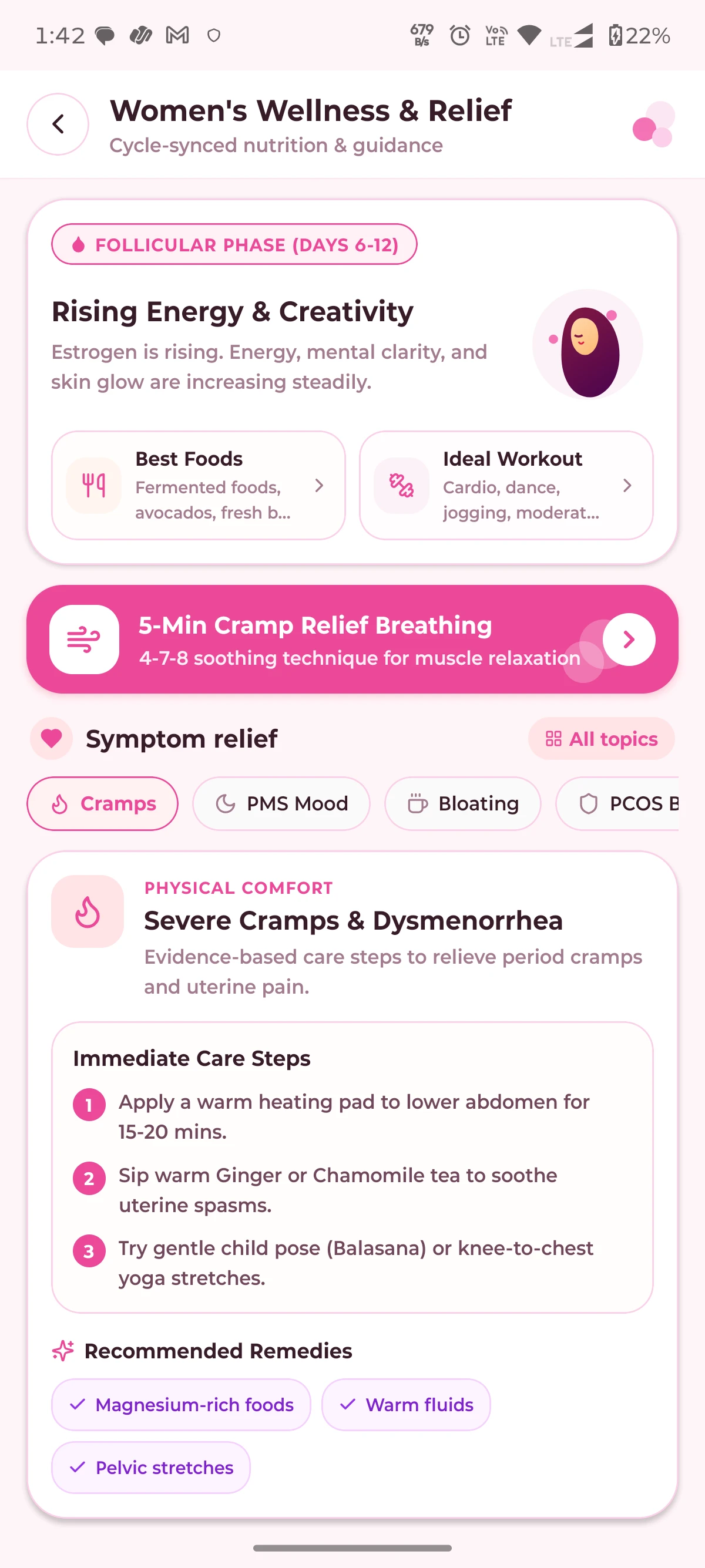
Cycle-Phase Nutrition
Tailored dietary guidance for iron replenishment, cramp soothing, and hydration.
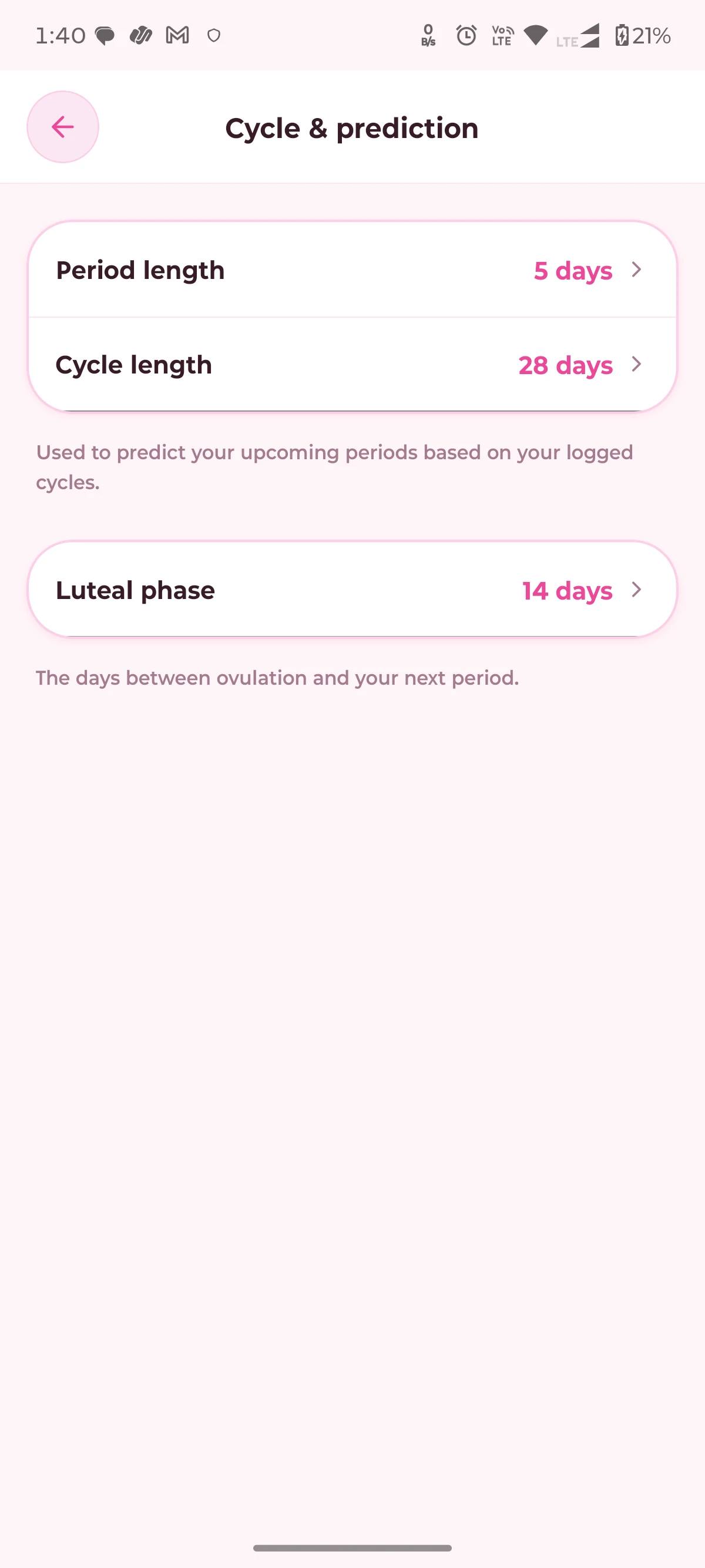
Biology & Timing Calibration
Calculates personal cycle variance and estimated fertile intervals objectively.
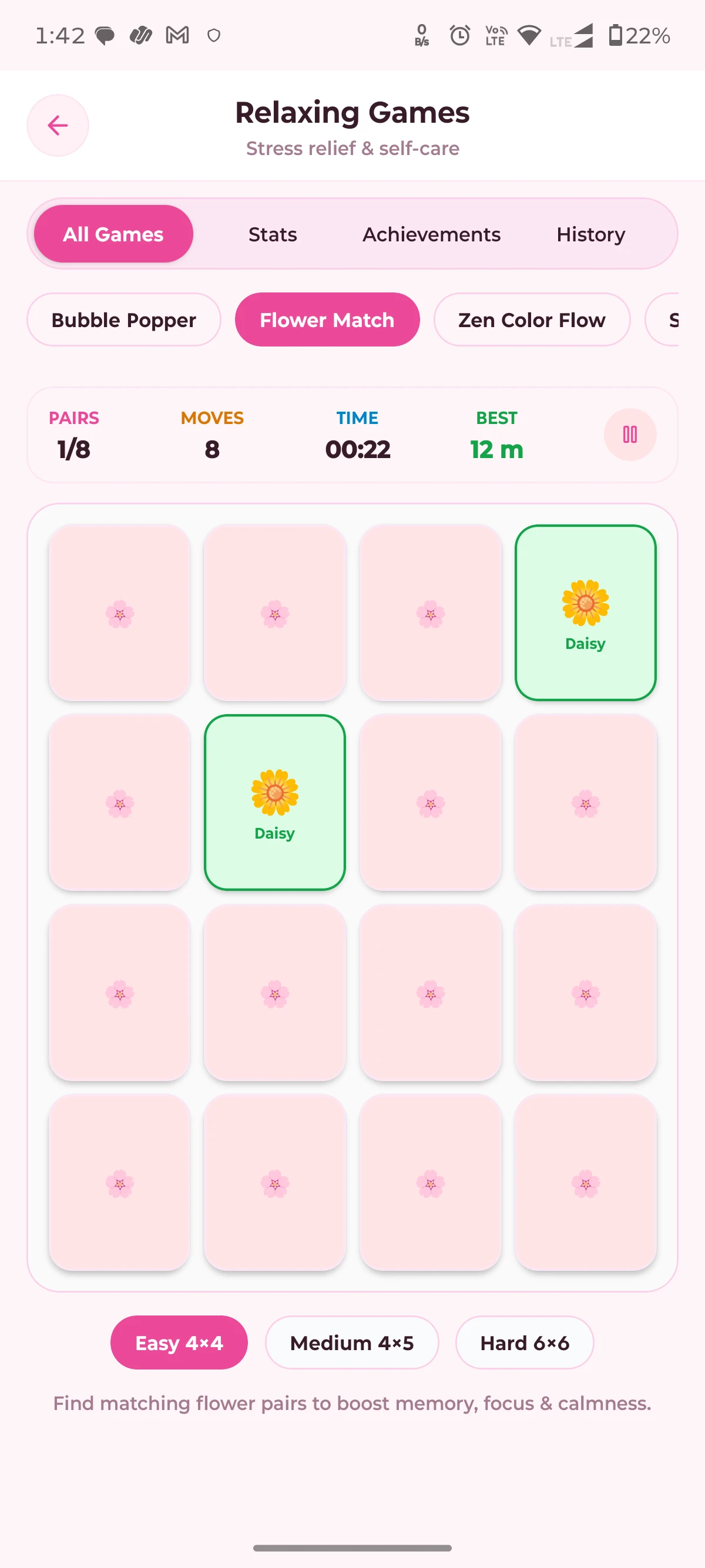
Mindful Cramp Distraction
Tactile sensory minigames designed to ease discomfort and distract during PMS tension.
Bring a Sangini Care Menstrual Health Session to Your Campus
We partner with educators, student welfare committees, and community leaders to conduct respectful, science-based bilingual sessions.